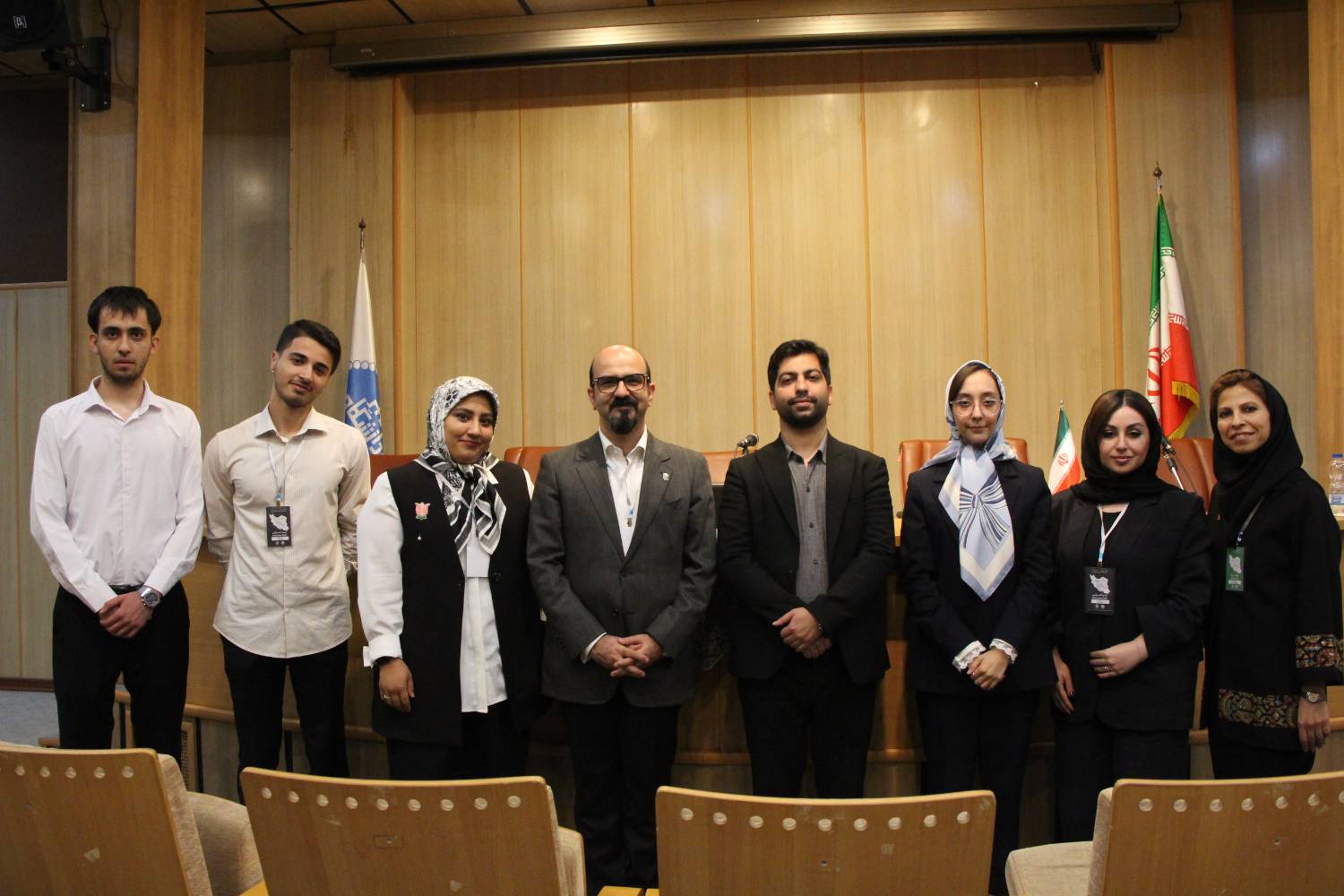
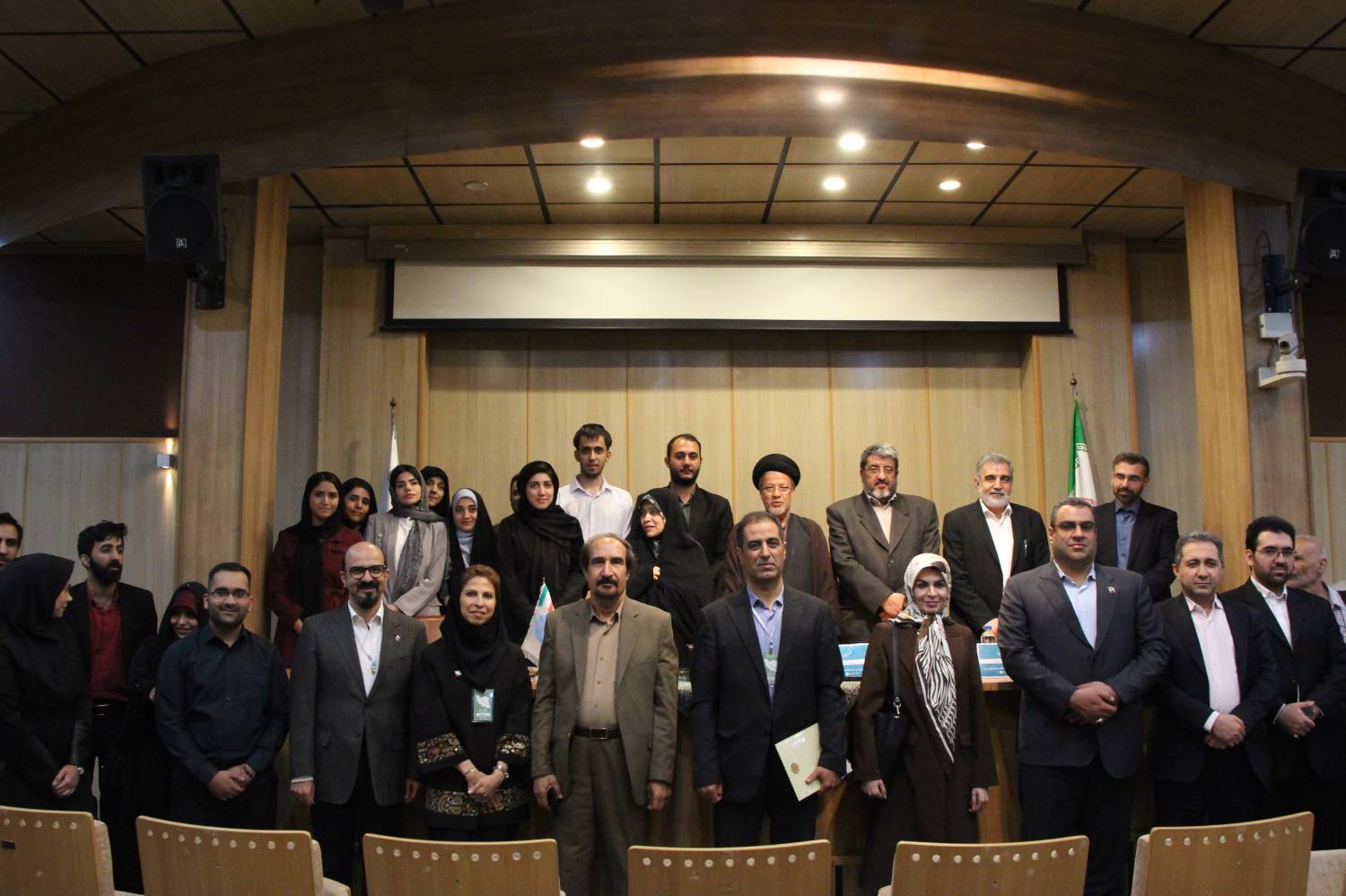
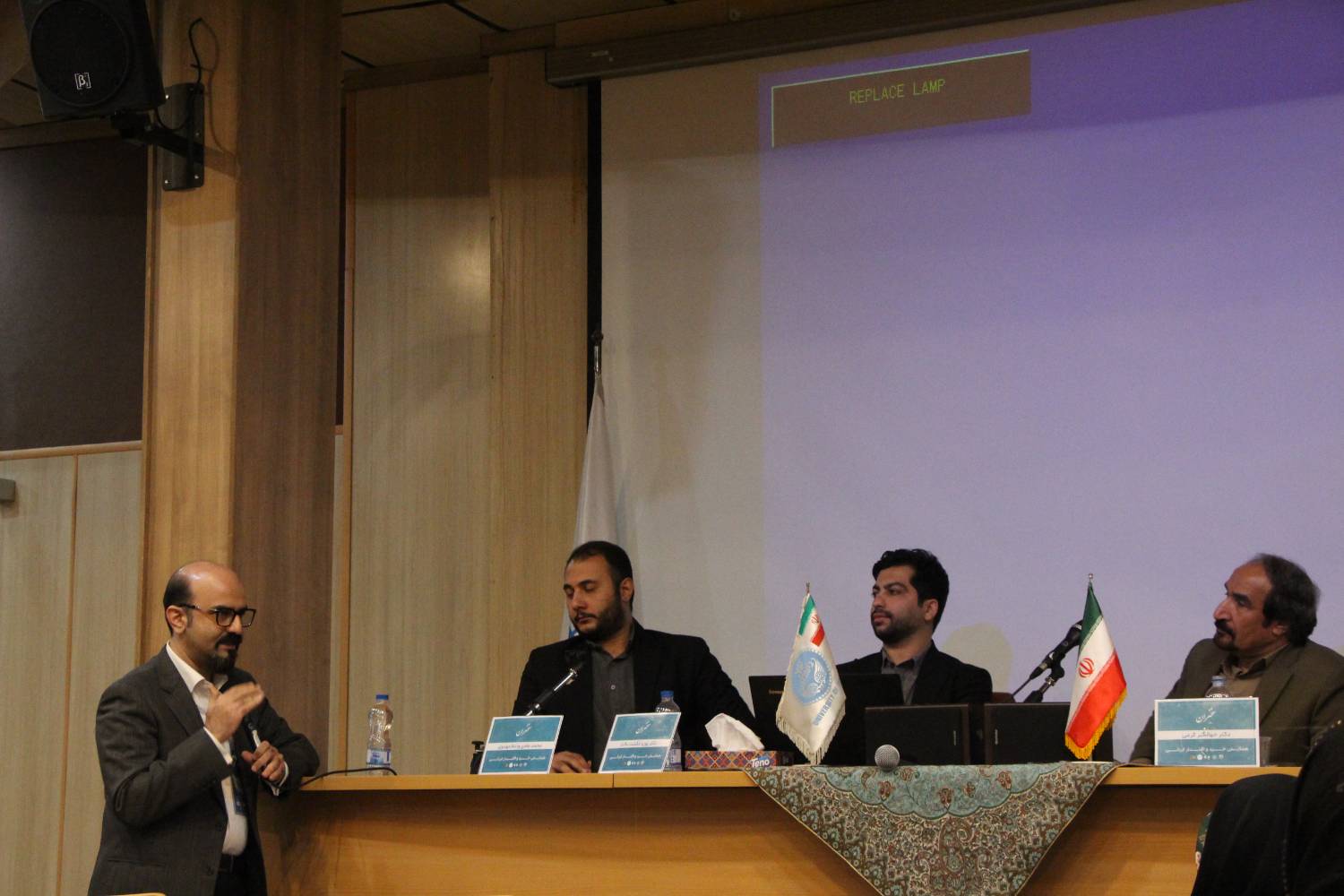
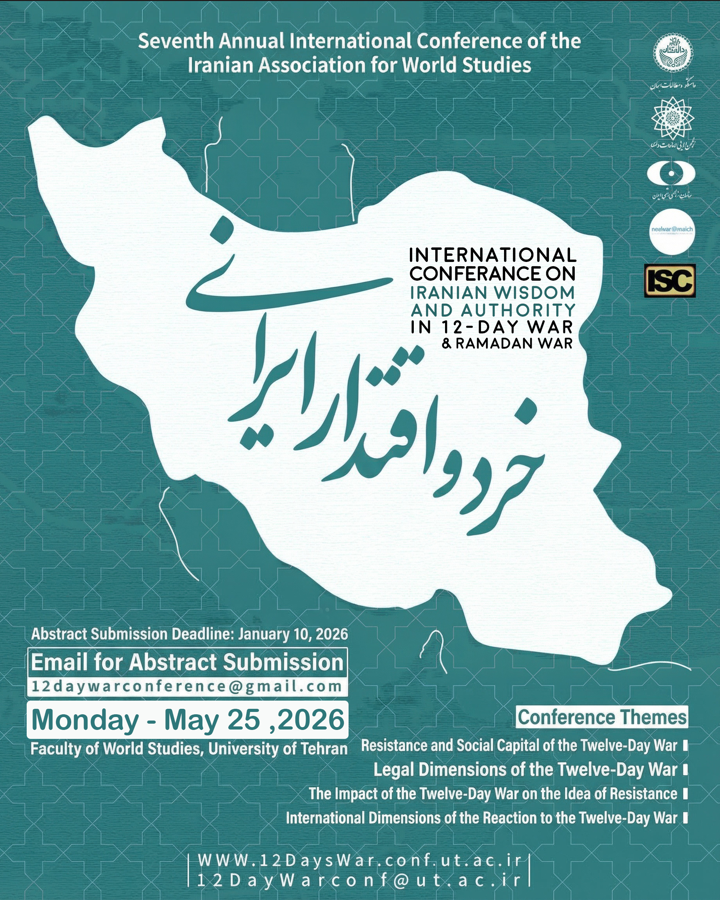
International Conference on Iranian Reason and Authority in the Twelve-Day War and the Ramadan War
May 25, 2026
Faculty of World Studies, University of Tehran
Abstract
The Twelve-Day War between Israel and the Islamic Republic of Iran, as one of the most important recent events in the field of the right to use force, revealed fundamental challenges to international law. The main issue of this research is whether the military actions taken can be justified within the framework of self-defense (preemptive) as stated in Article 51 of the United Nations Charter or whether, given the criteria of necessity, proportionality, urgency and good faith, these actions have exceeded the limits of the accepted exceptions to the peremptory principle prohibiting the use of force? The importance of this question is doubled in light of the inability of the Security Council to play an effective, even minimal, role in containing this conflict.
This article examines the legal aspects of the Twelve-Day War using an analytical-descriptive method, relying on the Charter of the United Nations, the practice of the International Court of Justice, the documents and practices of the Security Council, and the doctrine of prominent jurists. The research argues that the power-oriented structure of the Council and the enjoyment of the veto right by some beneficiary states have led to an institutional deadlock that limits the possibility of effective activation of collective security mechanisms. In this framework, the conduct of extra-regional military operations using long-range strategic tools and weapons with high destructive power against sensitive installations of a state, without the authorization of the Council, is subject to legal analysis as an example of the continuation of the unilateral use of force outside the system foreseen in the Charter. The article also examines whether the scope and pattern of military operations during the Twelve-Day War, beyond the official claims of legitimate defense, could have had indirect strategic functions - including the assessment of the defense capacities of the opposing side. And what effect do these considerations have on the determination of the element of good faith in exercising the right to self-defense?
Finally, the article, referring to the experience of the collapse of the collective security system in the interwar period, shows that the normalization of withdrawal from obligations, the weakening of multilateral institutions, and the costlessness of unilateral use of force create conditions similar to previous periods of decline in the international legal order. The conclusion of the research is that although the institutional deadlock of the Security Council is a practical reality, this cannot weaken the peremptory rule prohibiting the use of force and the principle of the rule of law. From an analytical perspective, the behavior of the Islamic Republic of Iran during the Twelve-Day War can be evaluated within the framework of wisdom and authority; especially in the way it managed the use of force, controlled the scope of the conflict, and avoided its uncontrolled expansion. This approach, which is based on a combination of legal calculation, strategic considerations, and maintaining international legitimacy, shows that authority is not necessarily manifested in an escalation of military response, but rather in measured restraint and the use of the capacities of international law to stabilize the legal position of the state.
Slides presented

Conference program

Conference abstract booklet

Conference website